The Magic of Crochet
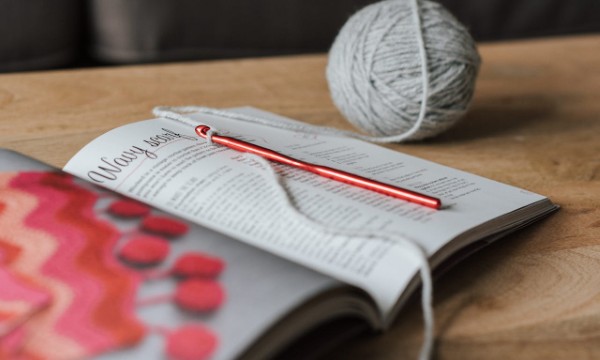
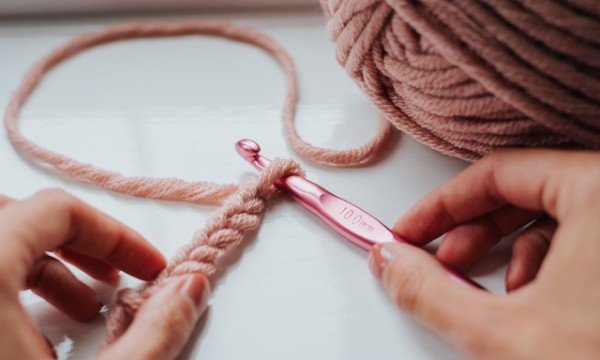
Crochet begins with nothing more than a hook, a strand of yarn, and a looping motion that feels almost like drawing in the air. There's a quiet rhythm to it — steady, soothing, and surprisingly grounding — the kind of motion your hands remember even when your mind is elsewhere. People are drawn to crochet for its calm simplicity, but also for its small enchantments: each loop builds on the last, turning soft fiber into something with shape, intention, and a touch of wonder. It's a craft that feels both gentle and quietly clever, as if the yarn itself knows a secret.
How Geometry Lives in Yarn
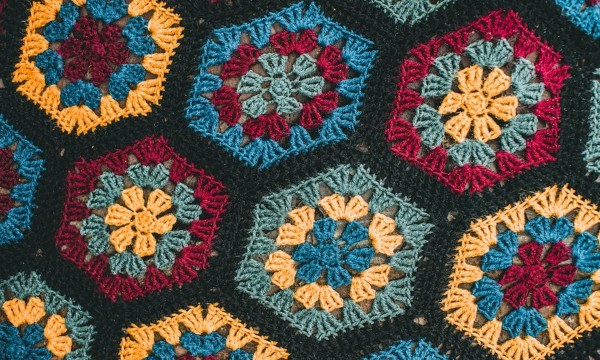
Geometry shows up quietly in crochet, shaping every stitch long before you notice it happening. Each loop is a tiny unit of structure, and when they gather, they behave in beautifully predictable ways. Circles stay flat only when increases are spaced with care; squares rely on corners that grow at just the right pace; rows expand or narrow depending on how loops lean and stack. The math is subtle, almost shy, but always present. Crochet becomes a soft form of geometry, something you can feel forming beneath your fingertips as pattern and structure develop one stitch at a time.
Patterns from the Past
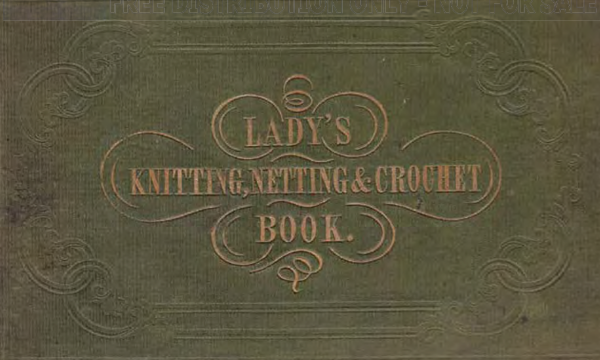
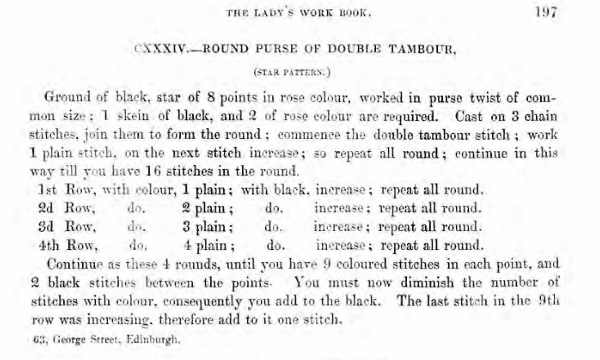
Public-domain patterns from the early twentieth century read like small spells passed between makers. One simple instruction for a purse begins: "Cast on 3 chain stitches, join them to form the round; commence the double tambour stitch; work 1 plain stitch, on the next stitch increase; so repeat all round; continue in this way till you have 16 stitches in the round." These patterns assume you already know the language of yarn, yet they reveal how timeless the craft is. The same motions that shaped lace doilies a century ago still guide modern hats, motifs, and blankets today, unchanged and quietly enduring.
Why Handmade Matters
Crochet holds a special place in the world of fiber arts because no machine can truly duplicate it. Every stitch must be formed by a single hook and a human hand, giving each piece a quiet imprint of the maker who shaped it. In a fast, digital world, crochet offers a slower, more intentional way to explore form. It is a place where geometry becomes something you can feel rather than calculate. Loops become lines, softness becomes structure, and simple motions build into patterns that feel both personal and enduring. It's a reminder that even the smallest handmade shapes can carry meaning, rhythm, and a touch of the extraordinary.
Sources
American Mathematical Society: Crochet
Topology
The Math Behind the Art of Crochet -
Off the Hook by CJ